
How It Works
From injury to healed — one coordinated team
Same-day evaluation
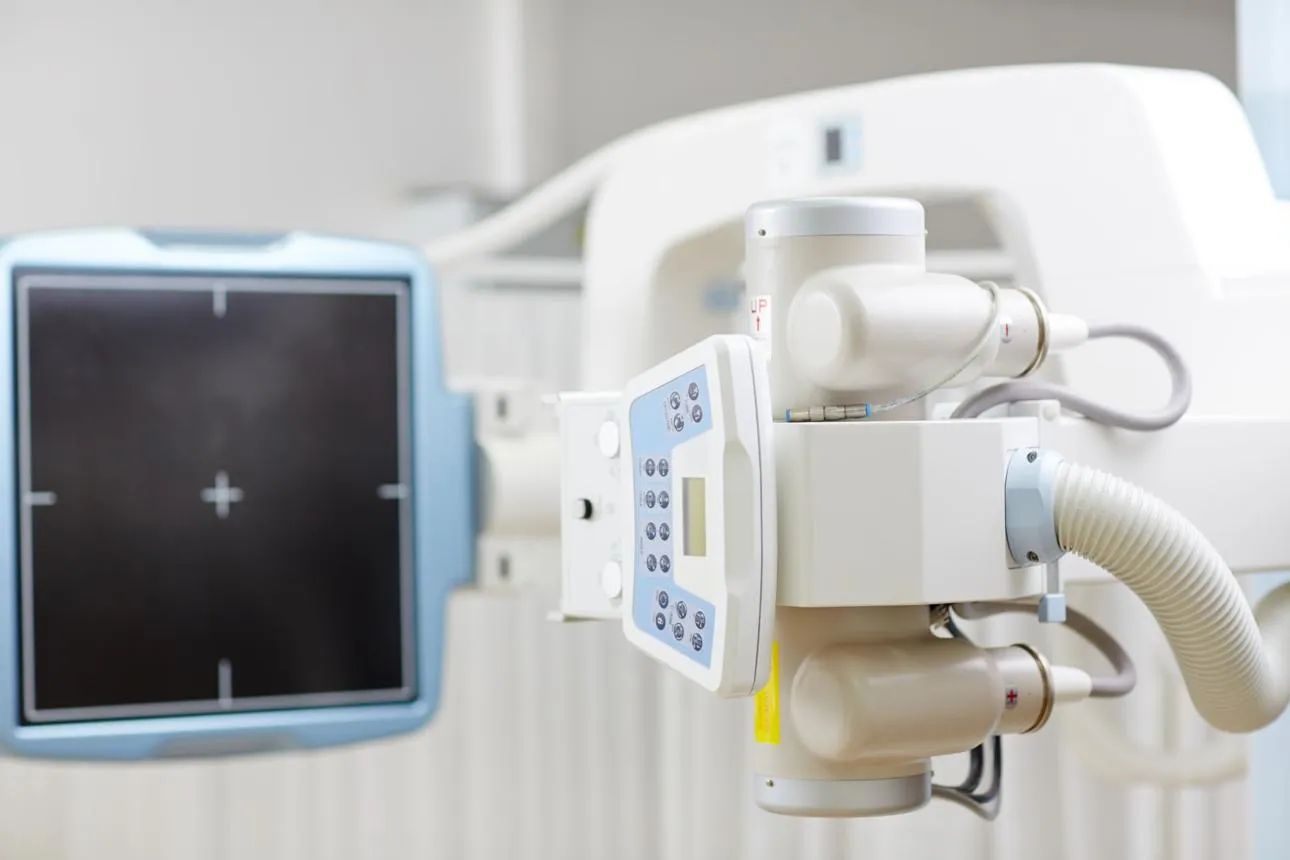
Walk in to Wiki Wiki Orthopedics — you're evaluated by an orthopedic-focused team with on-site X-ray, read on the spot. No second trip, no ER wait.
Stabilize & plan
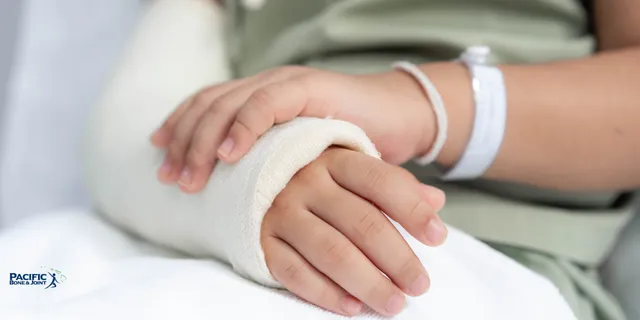
Splinting, casting, or bracing gets the injury protected before you leave — and we map out exactly how your fracture will be followed as it heals.
Heal & return
Follow-up imaging confirms the bone is healing in good position, and physical therapy helps restore strength and motion when it's time.
Non-Surgical First
Most fractures heal without surgery
When the bone fragments are in acceptable alignment, fractures are typically treated with casting, splinting, or bracing — protecting the bone while your body does the healing. Follow-up X-rays at set intervals confirm the fracture is staying in position and progressing as expected.
Surgery is recommended when it's genuinely needed — for fractures that are displaced, unstable, involve a joint surface, or are unlikely to heal well in a cast. Because Dr. Morton performs fracture surgery, that transition happens within the same practice, without losing time to an outside referral.
Hurt at work? We handle workers' comp.
We accept workers' compensation and manage work-related fractures with the documentation, coordination, and return-to-work support your case needs — plus auto and personal-injury cases.
What to bring for work comp, auto & personal injury →A fracture from a minor fall? Check the bone, too.
A break from a low-energy fall — especially after 50 — can signal weakened bone. Our bone health program evaluates fracture risk and treats osteoporosis, so the first fragility fracture can also be the last.
Bone health & osteoporosis care →For life-threatening emergencies, severe bleeding, open fractures, or possible head/spine injury, call 911. Same-day fracture care is for non-life-threatening injuries.
Written and Medically Reviewed By
Paul Norio Morton, MD
Board-certified orthopedic surgeon (American Board of Orthopaedic Surgery). Fellowship-trained; Hawai‘i's first fellowship-trained robotic hip & knee replacement surgeon.
Last reviewed July 2026 · Read Dr. Morton's full bio →
Explore Related Care
Explore related care
Wiki Wiki Urgent Ortho
Walk-in, same-day care with on-site imaging.
Explore →Bone Health
After a fragility fracture, treat the cause too.
Explore →Hand & Wrist Care
Specialized care for hand & wrist fractures.
Explore →Physical Therapy
Rebuild strength and motion after the cast comes off.
Explore →2-Minute Check
Am I a candidate for fracture care?
Answer a few quick questions. This is educational and is not a diagnosis — only an evaluation can tell for sure.
Did you have a recent injury, fall, or accident?
Do you have pain, swelling, or trouble moving a bone or joint?
Would you rather be seen today than wait or go to the ER?
You may be a strong candidate.
Your answers suggest fracture care could be a good fit. The next step is a simple evaluation, where we'll confirm with an exam and imaging and review every option with you — surgical and non-surgical.
This tool is educational and not a diagnosis. Not everyone is a candidate; only a clinical evaluation can determine what's right for you.
You might be a candidate — let's talk.
Some of your answers point toward fracture care, but the right path depends on the details. A short evaluation will give you a clear, honest answer and a plan.
This tool is educational and not a diagnosis. Not everyone is a candidate; only a clinical evaluation can determine what's right for you.
Let's take a closer look.
Your answers don't point clearly to fracture care yet — but that doesn't mean we can't help. We'll evaluate what's going on and point you to the care that fits, often starting with non-surgical options.
This tool is educational and not a diagnosis. Not everyone is a candidate; only a clinical evaluation can determine what's right for you.
Answer all 3 questions to see your result.
Patient Reviews
What patients say
4.9 average across 509 ratings on 8 review sites
“He did my mom’s hip surgery when she had a nasty fall at home, and he has taken care of her ever since. My mom is 98 years old and he provides excellent care. We highly recommend Dr. Morton!”
— Joyce Y.· Google review
“My forearm bone repair was done well and provided full healing. I’m a pilot and amateur athlete, and I do not take my body’s health for granted. Dr. Morton is professional, knowledgeable, and enthusiastic.”
— Paul C.· Google review
Review excerpts reflect individual patient experiences and may be lightly condensed. Results vary.
Rehabilitation & Recovery
Physical therapy for fracture recovery
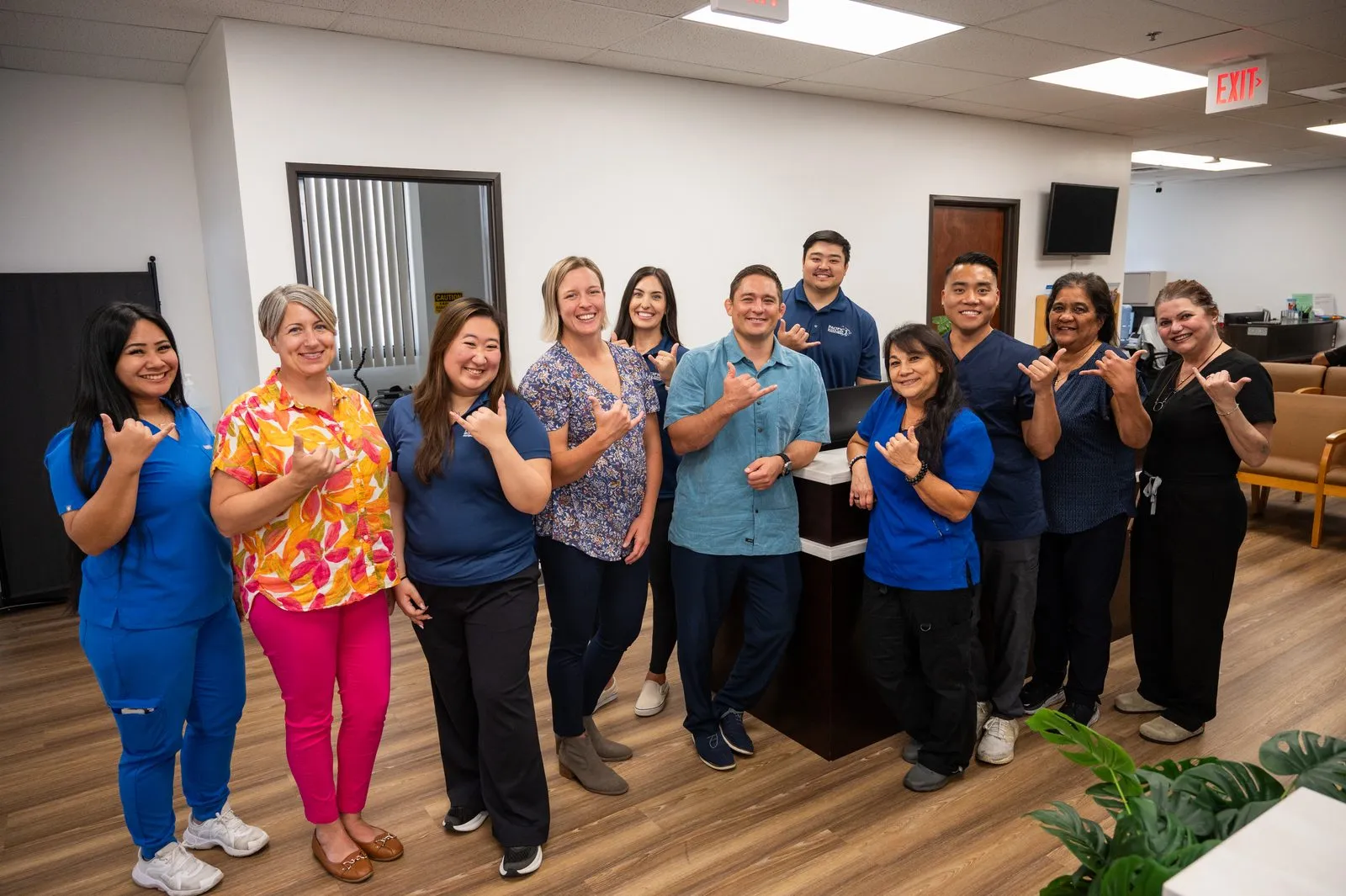
PB&J Physical Therapy works inside our Honolulu and Waipahu/Kunia clinics, so your rehabilitation is planned with the same orthopedic team that treats you. Many orthopedic problems improve with therapy alone, and Hawai‘i allows direct access to physical therapy without a physician referral (some plans still require one for coverage).
PB&J Physical Therapy →Questions, Answered
Fracture care FAQ
Do I need surgery for a broken bone?+
Usually not. Most fractures heal well without surgery when the pieces are in acceptable alignment — treated with casting, splinting, or bracing, plus follow-up X-rays to confirm the bone stays in position as it heals. Surgery is recommended when a fracture is displaced, unstable, involves a joint surface, or is unlikely to heal well in a cast.
Should I go to the ER or come to you?+
For non-life-threatening bone and joint injuries, Wiki Wiki Orthopedics offers same-day, walk-in evaluation by an orthopedic-focused team with on-site X-ray — often faster and less costly than an ER. For life-threatening emergencies, severe bleeding, open fractures (bone through the skin), or possible head or spine injury, call 911 or go to the nearest emergency room.
What happens if my fracture needs surgery?+
Because Dr. Morton performs fracture surgery, your care continues with the same practice — no outside referral needed. Fixation may use pins, plates, screws, or rods to hold the bone in position while it heals; the specifics depend on the bone and fracture pattern. We'll explain exactly what to expect for your injury.
Do you treat work-related fractures?+
Yes. We accept workers' compensation and manage work injuries with the documentation, coordination, and return-to-work support your case needs. We also see auto and personal-injury cases.
I broke a bone from a minor fall — should I be worried about my bones?+
A fracture from a low-energy fall — especially after age 50 — can be a sign of weakened bone. Alongside treating the break, we can evaluate your bone health and fracture risk so the first fragility fracture is also the last. See our bone health & osteoporosis program.
How long does a fracture take to heal?+
It varies widely with the bone involved, the fracture pattern, your age, and your overall health — from several weeks to a few months, sometimes longer. Follow-up imaging tells us how your bone is actually progressing, and we'll keep you posted at every visit.
Think something's broken? Don't wait on it.
Walk in for same-day evaluation with on-site X-ray, or message us on Klara so we're ready when you arrive.
For medical emergencies, call 911. This page is educational and is not a substitute for medical advice. Individual healing and recovery vary.