
How It Works
Harvest, concentrate, target
Bone marrow aspiration
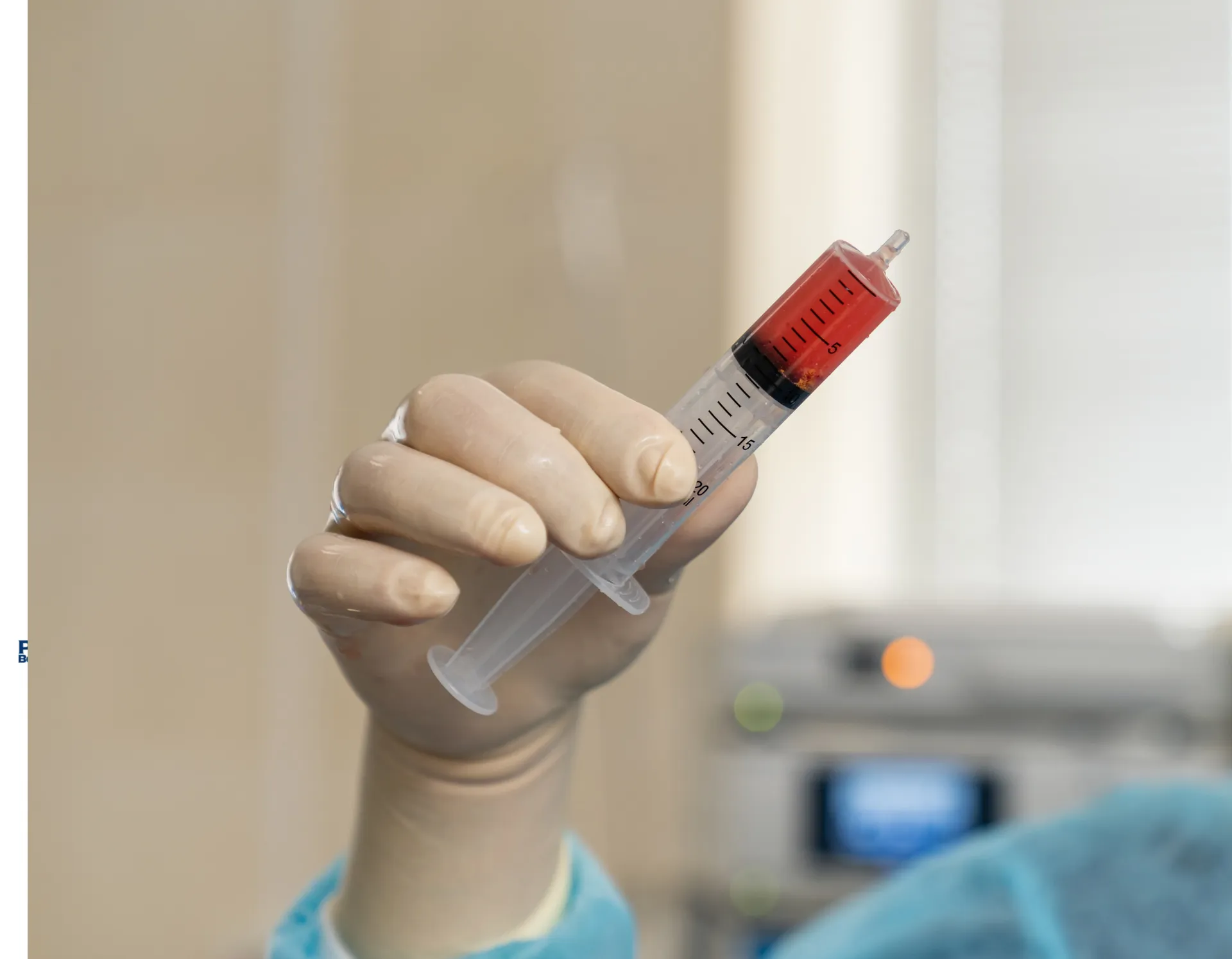
Bone marrow is typically aspirated from the posterior pelvis after numbing the harvest area.
Concentration
The aspirate is processed to reduce volume and concentrate selected marrow components. The final product is a mixed autologous biologic, not a purified stem-cell population.
Image-guided placement
The concentrate is placed at the selected joint, soft-tissue or subchondral target using imaging guidance appropriate to the procedure.
What Is Actually in BMAC?
A concentrated marrow mixture — not a vial of isolated stem cells
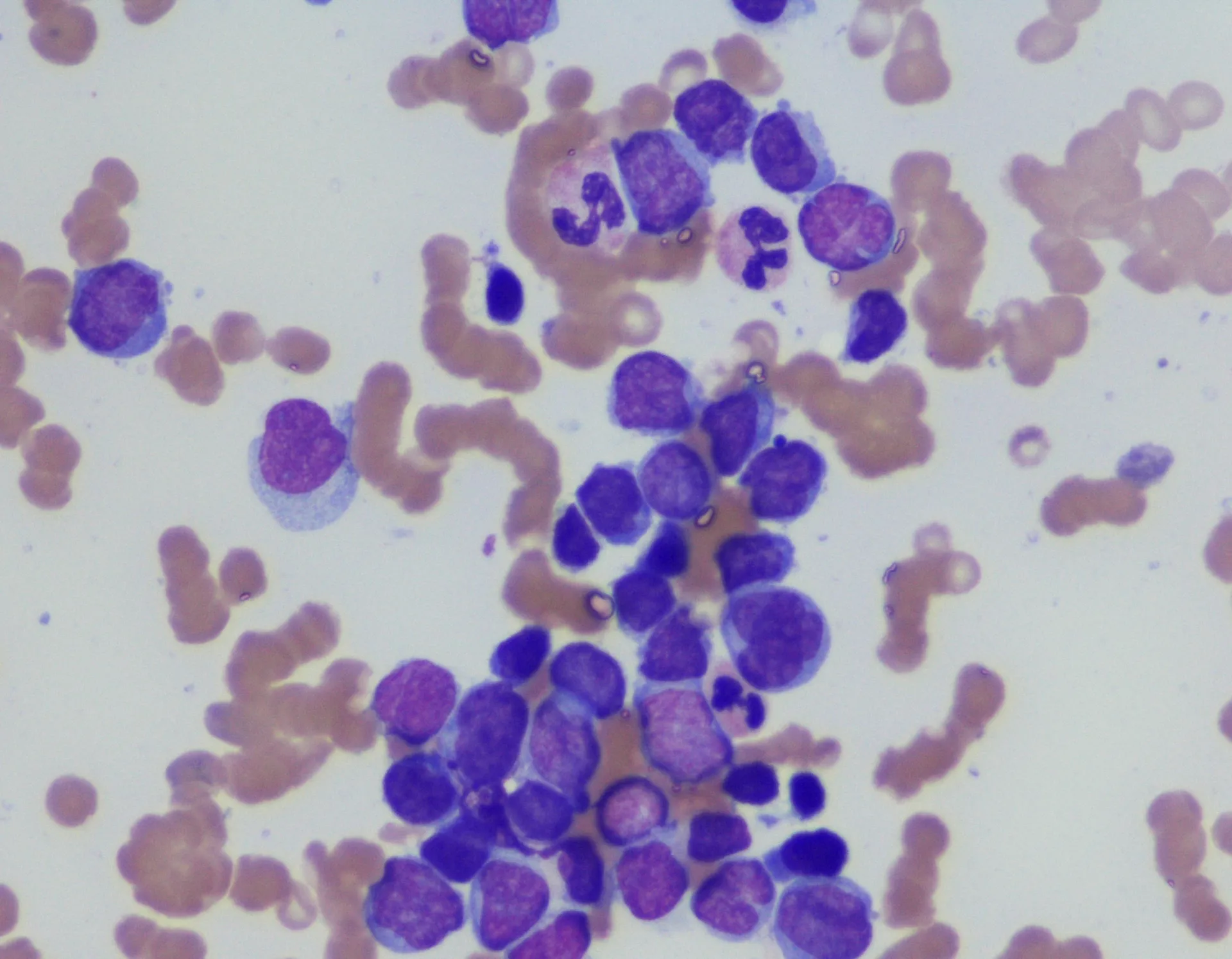
The term “stem cell injection” can make BMAC sound more specific than it really is. The concentrate includes platelets, red and white blood cells, hematopoietic cells, signaling proteins and a comparatively small population of mesenchymal stromal/stem cells.
Autologous
The marrow comes from the patient being treated and is processed during the same treatment visit.
Mixed-cell product
BMAC is not a purified MSC product. Cell counts, harvest technique and processing can vary substantially between protocols.
A treatment option, not an upgrade package
Because BMAC requires a marrow harvest and costs more, it should be recommended because the clinical problem justifies it — not simply because it sounds more advanced.
An honest note: BMAC can improve pain and function in some patients, but current evidence does not support presenting it as a proven cartilage-regrowth treatment or an automatic step up from PRP. If a less invasive or better-established option makes more sense, that is the option we discuss.
Subchondral BMAC · Joint Preservation
Treating the bone beneath damaged cartilage
Some patients with knee osteoarthritis have painful subchondral bone marrow lesions beneath the joint surface. In selected cases, marrow concentrate can be delivered to the subchondral bone rather than only into the joint. This is a different concept from a routine intra-articular injection and requires careful imaging review and patient selection.
For selected patients only. It is not a substitute for joint replacement when replacement is the more appropriate treatment.
What long-term research suggests
A notable long-term study from Hernigou and colleagues followed patients with bilateral knee osteoarthritis who received subchondral bone-marrow concentrate in one knee and arthroplasty in the other. Many treated knees remained unreplaced years later. The study is provocative, but it should not be generalized to every patient with advanced arthritis.
Reference: Hernigou P, et al. Int Orthop. 2021;45:365–373 and 391–399. Long-term comparative evidence remains limited.
Research & Evidence
BMAC can help symptoms — but “more cells” has not meant clearly better outcomes
Improvement from baseline
Across randomized studies of knee OA, BMAC commonly improves pain and function from baseline.
No consistent superiority
A 2024 systematic review of eight randomized studies and 937 patients found no clear clinically important advantage over other injection options. A randomized trial also found BMAC and PRP produced similar one-year results.
Regulatory claims matter
FDA consumer guidance warns against unapproved regenerative products marketed as cures for orthopedic disease. BMAC should be discussed with the same attention to evidence and limitations as any other procedure.
Selected references: Kim GB, et al. Am J Sports Med. 2024 — systematic review of randomized BMAC trials; Anz AW, et al. Orthop J Sports Med. 2020 — randomized BMAC vs PRP trial; FDA patient information on regenerative medicine therapies. Individual results vary.
BMAC: What the Evidence Actually Says
BMAC is a legitimate autologous orthobiologic, but its role should be based on evidence and patient selection rather than the label “stem cells.”
Explore Related Care
Related care
PRP
Blood-derived orthobiologic with the largest clinical evidence base.
Explore →Regenerative Medicine
How biologics and joint-preservation options fit together.
Explore →Joint Replacement
When arthritis is too advanced for a preservation strategy.
Explore →Cartilage Restoration
Surgical restoration for focal cartilage defects in the right joint.
Explore →2-Minute Check
Am I a candidate for BMAC treatment?
Answer a few quick questions. This is educational and is not a diagnosis — only an evaluation can tell for sure.
Do you have early arthritis or a tendon injury?
Would you like to explore non-surgical options before considering surgery?
Have you either not yet tried, or not responded to, other conservative care?
You may be a strong candidate.
Your answers suggest BMAC treatment could be a good fit. The next step is a simple evaluation, where we'll confirm with an exam and imaging and review every option with you — surgical and non-surgical.
This tool is educational and not a diagnosis. Not everyone is a candidate; only a clinical evaluation can determine what's right for you.
You might be a candidate — let's talk.
Some of your answers point toward BMAC treatment, but the right path depends on the details. A short evaluation will give you a clear, honest answer and a plan.
This tool is educational and not a diagnosis. Not everyone is a candidate; only a clinical evaluation can determine what's right for you.
Let's take a closer look.
Your answers don't point clearly to BMAC treatment yet — but that doesn't mean we can't help. We'll evaluate what's going on and point you to the care that fits, often starting with non-surgical options.
This tool is educational and not a diagnosis. Not everyone is a candidate; only a clinical evaluation can determine what's right for you.
Answer all 3 questions to see your result.
Rehabilitation & Recovery
Physical therapy for orthobiologic injections
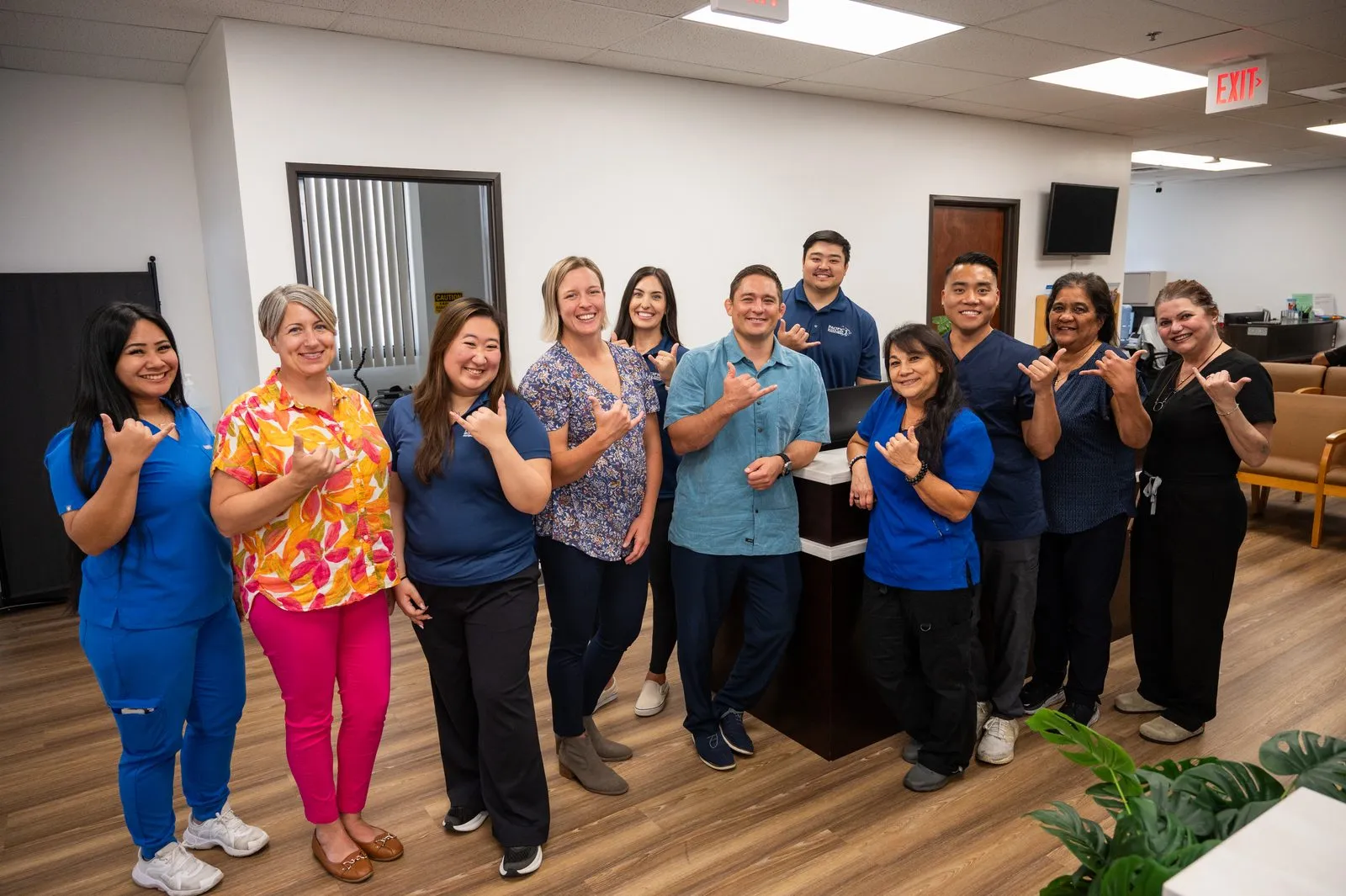
PB&J Physical Therapy works inside our Honolulu and Waipahu/Kunia clinics, so your rehabilitation is planned with the same orthopedic team that treats you. Many orthopedic problems improve with therapy alone, and Hawai‘i allows direct access to physical therapy without a physician referral (some plans still require one for coverage).
PB&J Physical Therapy →Questions, Answered
Frequently asked questions
How is BMAC different from PRP?+
PRP is prepared from blood and primarily concentrates platelets and their signaling proteins. BMAC is prepared from bone marrow and contains a broader mixture of cells, platelets and soluble factors. BMAC is a larger procedure and is not automatically a better or stronger version of PRP.
Is BMAC a stem cell treatment?+
BMAC is often marketed as a “stem cell injection,” but that phrase can be misleading. Concentrated marrow contains many cell types; mesenchymal stromal/stem cells are only a small fraction of the final product. We prefer the accurate term bone marrow aspirate concentrate.
Can BMAC regrow an arthritic joint surface?+
No injectable BMAC treatment has been proven to regrow a normal joint surface in an arthritic knee. The clinical goal is symptom improvement and, in carefully selected patients, joint preservation — not a promise of cartilage regeneration.
Is BMAC better than PRP for knee arthritis?+
Not clearly. Randomized and systematic-review evidence shows that BMAC can improve pain and function, but it has not consistently demonstrated clinically meaningful superiority over PRP or other injection options. The choice should be based on the tissue problem, imaging, prior treatment and goals rather than price or the idea that BMAC is automatically an upgrade.
Where does the bone marrow come from?+
Bone marrow is typically aspirated from the back of the pelvis (posterior iliac crest), processed the same day, and then delivered to the selected treatment target.
Is BMAC FDA-approved for arthritis?+
BMAC should not be described as an FDA-approved cure for arthritis. FDA guidance specifically cautions consumers about unapproved regenerative medicine products marketed for orthopedic conditions. We discuss the regulatory status, evidence and limitations openly.
Is BMAC covered by insurance?+
Usually not. We'll explain the cost clearly before any treatment.
Patient Reviews
What patients say
4.9 average across 509 ratings on 8 review sites
“Pacific Bone and Joint, located in the Ala Moana Medical Building, has an absolutely amazing staff of medical professionals. Cindy is so helpful and knowledgeable in preparing you for procedures. I received a gel injection treatment and the entire staff was so friendly and professional.”
— Gareth Y.· Google review
Review excerpts reflect individual patient experiences and may be lightly condensed. Results vary.
Is BMAC actually the right biologic for your case?
We compare BMAC with PRP, rehabilitation, joint-preservation surgery and replacement rather than assuming the most expensive biologic is the best choice.